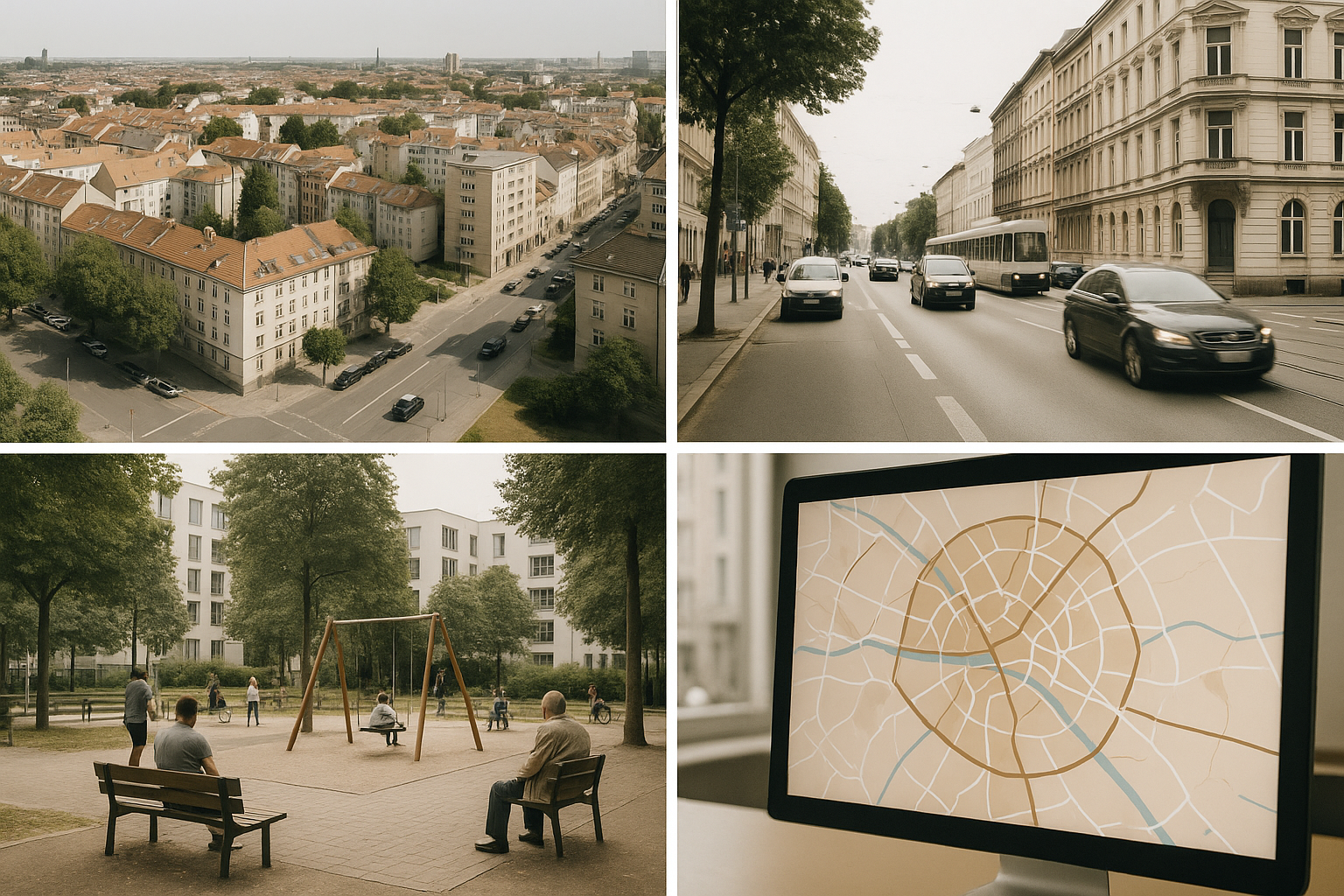
In Madrid, tobacco is sold through a licensed network of estancos — specialist shops that hold an exclusive state concession to sell tobacco products. There are roughly 5,000 estancos in the Madrid metropolitan area. They are not evenly distributed.
Research conducted as part of the HHH Project mapped the geographic distribution of tobacco retail outlets across Madrid’s districts and found a consistent pattern: estancos were disproportionately concentrated in lower-income southern and peripheral districts. The density of tobacco retail per thousand residents in Vallecas, Villaverde, and Carabanchel was significantly higher than in Salamanca, Chamberí, or Retiro.
Why Density Matters
The relationship between tobacco retail density and smoking rates is well-established in the public health literature. Higher concentrations of tobacco purchase points increase the frequency with which smokers encounter purchase opportunities — what researchers call “point-of-sale prompts.” They also increase the likelihood that young people will initiate smoking, since exposure to tobacco retail normalises purchase and reduces perceived barriers.
Smoking remains the single most important preventable risk factor for cardiovascular disease. It accelerates atherosclerosis, raises blood pressure, impairs endothelial function, and significantly increases the risk of both myocardial infarction and stroke. When tobacco retail concentrates in already-deprived neighbourhoods, it adds a further layer of cardiovascular risk onto populations already experiencing the health consequences of the neighbourhood cardiovascular risk environment.
Beyond Madrid: The UK and Dutch Experience
The pattern in Madrid is replicated across Europe. In the United Kingdom, research using data from England found that tobacco outlets were two to three times more concentrated in the most deprived decile of neighbourhoods compared to the most affluent. In Dutch cities, similar gradients have been documented, with retail density highest in lower-income urban districts.
The Netherlands has begun to act on this evidence. From 2024, Dutch supermarkets and petrol stations are required to phase out tobacco sales, with the aim of reducing the total number of retail points to around 700 nationwide by 2030. The policy is explicitly framed around health equity — reducing the normalisation of tobacco in everyday retail environments disproportionately accessed by lower-income populations. Scotland has introduced plain packaging and explored restrictions on tobacco retail proximity to schools, though comprehensive retail density licensing has not yet been implemented.
The Policy Response
The most direct policy tool is tobacco retail licensing — requiring shops to hold a licence to sell tobacco, and attaching conditions to that licence related to proximity to schools, health facilities, and areas of high deprivation. New Zealand and parts of Australia have implemented licensing schemes with these characteristics. In Europe, progress has been slower.
Critics of retail density restrictions raise economic arguments: small shop owners depend on tobacco sales for a significant fraction of revenue, and restrictions would affect small businesses in poorer areas. Proponents respond that the equity argument runs in the opposite direction: concentrating tobacco retail in deprived areas is itself a form of commercial exploitation of communities with higher rates of nicotine addiction.
The HHH research in Madrid — part of a broader parallel study conducted across Madrid and Edinburgh — provides a specific empirical contribution to this debate. By mapping the precise distribution of estancos at the neighbourhood level, it creates a foundation for policy conversations about whether tobacco retail licensing in Spain should incorporate a density or proximity criterion. The socioeconomic gradient in cardiovascular disease in Madrid will not be closed by any single intervention. But removing the systematic concentration of tobacco retail from the city’s most deprived neighbourhoods would be a meaningful step in the right direction.